Most people come in knowing they want PPF. What they’re not sure about is how much. And that one question, full front or full body, can make a real difference in how protected your vehicle actually is.
The answer isn’t one-size-fits-all. It comes down to how you drive, where you park, and how long you plan to keep your car. Here is how to think through it.
What Full Front PPF Actually Covers
Full front paint protection film typically includes:
- The full hood
- Both front fenders
- The front bumper
- Side mirrors
- Headlights
This zone is most directly affected by highway driving. Rock chips, road debris, and bug splatter all hit the front of your car hardest. For many drivers, the front of the car is where most real-world damage occurs.
It’s a smart baseline. But it’s not the whole picture.
What Full Body PPF Adds
Full body PPF extends protection to areas that take a different kind of wear:
- Rocker panels and lower doors, which collect road grime and gravel kick-up
- Rear bumper, which gets scuffed by cargo, bike racks, and loading
- Door edges, where parking lot door dings are most common
- A-pillars, which catch wind-blown debris at highway speeds
- Trunk lid and rear quarter panels on higher-wear vehicles
Full body is not just about covering more surface area. It’s about protecting the places that take slow, repeated damage over time, the kind that adds up quietly until the car no longer looks as sharp as it did when you bought it.
How Your Driving Habits Should Guide the Decision
This is the part most people skip over. They focus on the price difference between the two options without thinking through how they actually use their car.
Full Front Is Usually the Right Call If:
- You drive mostly highways or interstates where debris impact is highest
- Your car is parked in a private garage most of the time
- You do not carry cargo or use a rear hitch frequently
- Your vehicle is newer and you want to protect it without a larger investment
- You drive a daily commuter rather than a weekend show car
Full Body Makes More Sense If:
- You park in public lots regularly, where door dings and scuffs are constant
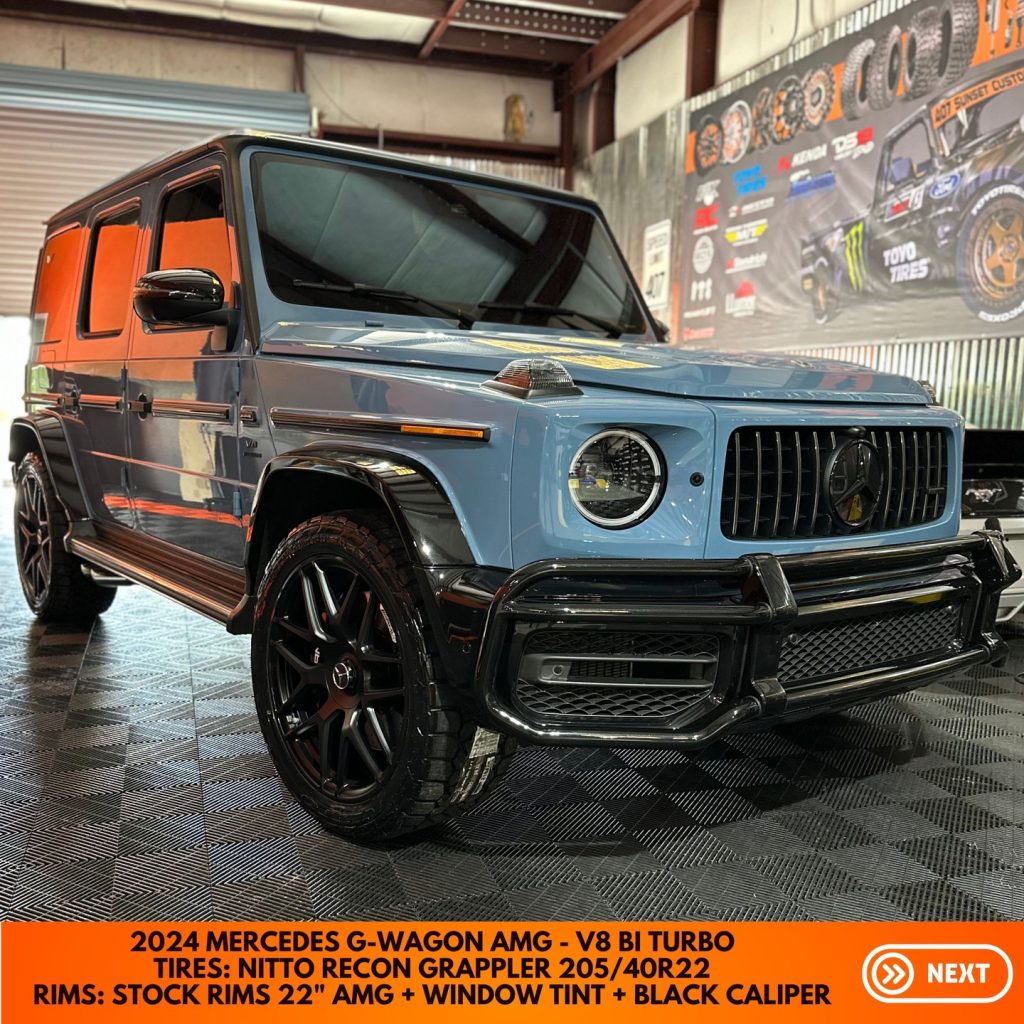
- You drive a Porsche, G-Wagon, Escalade, Tesla, or other high-value vehicle where resale matters
- You plan to keep the car long-term and want consistent protection across all painted surfaces
- You detail frequently and want the film to serve as the base layer for ceramic coating
- You live in Florida, where UV exposure, humidity, and road debris work together to degrade paint faster
Here’s the thing: the front of your car takes the most visible damage, but the sides and rear take the most cumulative damage. If you’re financing a $90,000 SUV or a performance car and plan to keep it for five or more years, full body starts to look like a much better value.
What Can Go Wrong With the Wrong Choice
One of the most common regrets we hear is from customers who chose full front only, then spent the next two years watching their door edges and rear bumper collect scuffs and chips that film would have prevented.
The other issue is paint matching down the road. When protected areas stay pristine and unprotected areas fade or chip, the difference becomes visible, especially on darker paint colors or solid blacks.
A good installer will walk you through this honestly before you commit. If the shop just asks which package you want without asking how you drive or where you park, that’s a missed step.
PPF and Ceramic Coating Together
Many vehicle owners in Kissimmee and surrounding areas are combining PPF with ceramic coating for layered protection. The film handles physical impact and abrasion. The ceramic coating on top adds hydrophobic properties, easier maintenance, and gloss enhancement.
If you’re planning to add ceramic coating eventually, it’s worth discussing this during your PPF consultation. The installation sequence matters, and a shop experienced with both can plan accordingly.
Ready to Protect Your Vehicle the Right Way?
At 407 Sunset Customs in Kissimmee, FL, we walk through every vehicle and every driving situation before recommending a coverage level. Whether you are protecting a new Corvette, a Tesla, or a daily driver that goes the distance, the goal is the same: make sure the film you choose actually fits how you use your car.
If you’re not sure where to start, reach out for a consultation. We’re happy to answer questions without pressure, because the right decision is one you feel confident about.