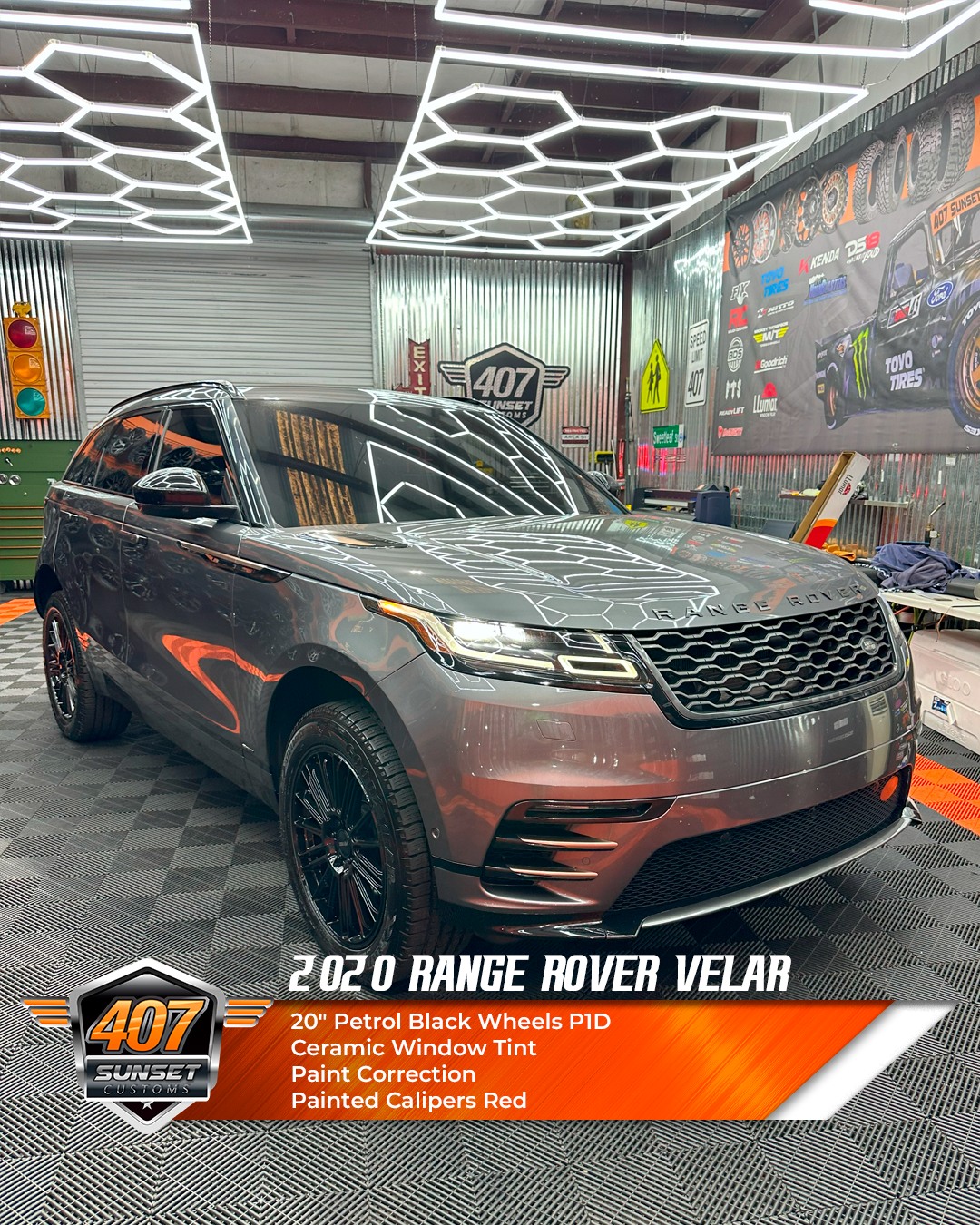
Florida sun is not like anywhere else. If you park outside in Kissimmee for 20 minutes, you already know what we mean. Your steering wheel becomes untouchable, the dashboard starts cracking, and the inside of your car turns into an oven. That is why so many drivers here are searching for the right window tint solution.
But here is the problem: not all tint is the same, and making the wrong choice means spending money on something that fades, bubbles, or barely makes a difference. This guide breaks down what actually matters so you can make a confident decision before you walk into any shop.
Why Florida Heat Demands More Than a Basic Window Tint
Standard dyed tint, the kind that looks dark from the outside, does very little to block heat. It absorbs some light but still transfers that heat straight into your cabin. In a state where summer temperatures can push interiors past 150 degrees Fahrenheit, this matters a lot.
The measurement you actually care about is Total Solar Energy Rejected (TSER). This tells you how much of the sun’s total energy, not just visible light, the film blocks. A higher TSER means a cooler cabin, less strain on your AC, and a more comfortable drive.
Visible Light Transmission (VLT) is the number most people focus on because it determines how dark the tint looks. But in Florida, VLT tells you almost nothing about how well a film actually handles heat. You can have a light tint with excellent heat rejection or a dark tint that barely helps.
The Main Types of Window Tint and What Sets Them Apart
Here is a straightforward comparison of the most common film types you will encounter:
- Dyed film: The lowest cost option. It darkens your windows but provides minimal heat rejection. It also tends to fade and turn purple over time when exposed to constant UV. Fine for aesthetics, not ideal for Florida heat.
- Carbon film: A meaningful step up. Carbon film blocks infrared heat more effectively, holds its color longer, and does not interfere with phone signals or GPS. A solid option for drivers who want real performance without going to the top tier.
- Ceramic film: The most effective option available. Ceramic tint blocks up to 99% of UV rays and rejects significantly more heat than dyed or carbon. It stays optically clear, meaning night visibility stays sharp. It is also the most stable over time, which matters for long-term ownership.
For vehicles like a Tesla Model Y, Porsche Cayenne, Escalade, or G-Wagon, ceramic is almost always the right answer. The investment makes sense when the vehicle is high-value and you plan to keep it.
Florida Tint Laws: What You Need to Know Before You Commit
Florida has legal limits on how dark your tint can be, and getting this wrong means a fix-it ticket and the cost of redoing the job. Here is what the law allows:
- Front side windows: Must allow more than 28% of light in (28% VLT minimum).
- Rear side windows: Any darkness is allowed, as long as the vehicle has dual side mirrors.
- Rear window: Same as rear side windows. Any VLT is permitted with dual mirrors.
- Windshield: Only a non-reflective tint strip is allowed along the top, above the manufacturer's AS-1 line.
A shop that does not walk you through these limits before installation is not looking out for you. Make sure whoever is doing the work knows Florida law and measures accurately.
What Can Go Wrong and How a Good Shop Prevents It
Window tint looks simple from the outside. It is not. The most common problems people run into after a bad install include:
- Bubbling and peeling within months due to poor surface prep or cheap adhesive
- Purple or brown discoloration from dyed film that was not UV-stable
- Hazing or distortion that makes nighttime driving unsafe
- Gaps or lifted edges near door seals that let light and heat through
- Films that are slightly too dark for Florida law create a legal liability for the owner
The way a shop prevents these problems comes down to preparation and process. Windows need to be properly cleaned and decontaminated before any film goes on. Edges need to be shrunk and shaped to fit the exact curve of your glass. The installation environment matters too. Dust and debris in the air during installation show up as bumps under the film after it cures.
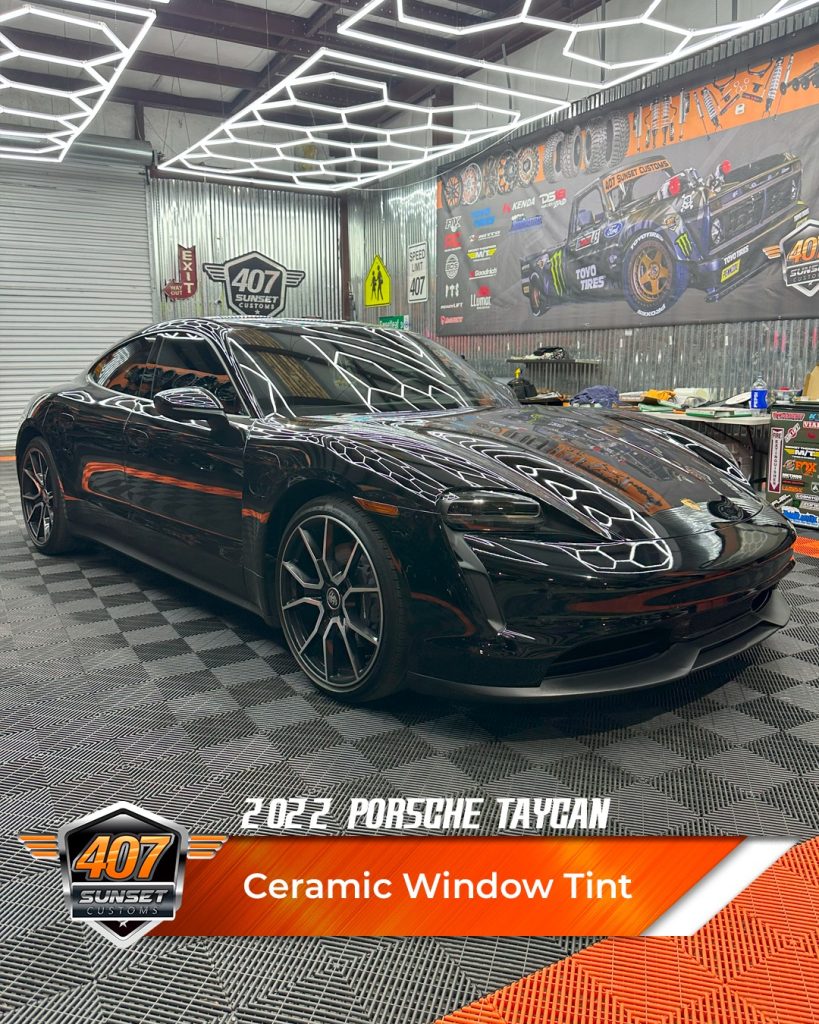
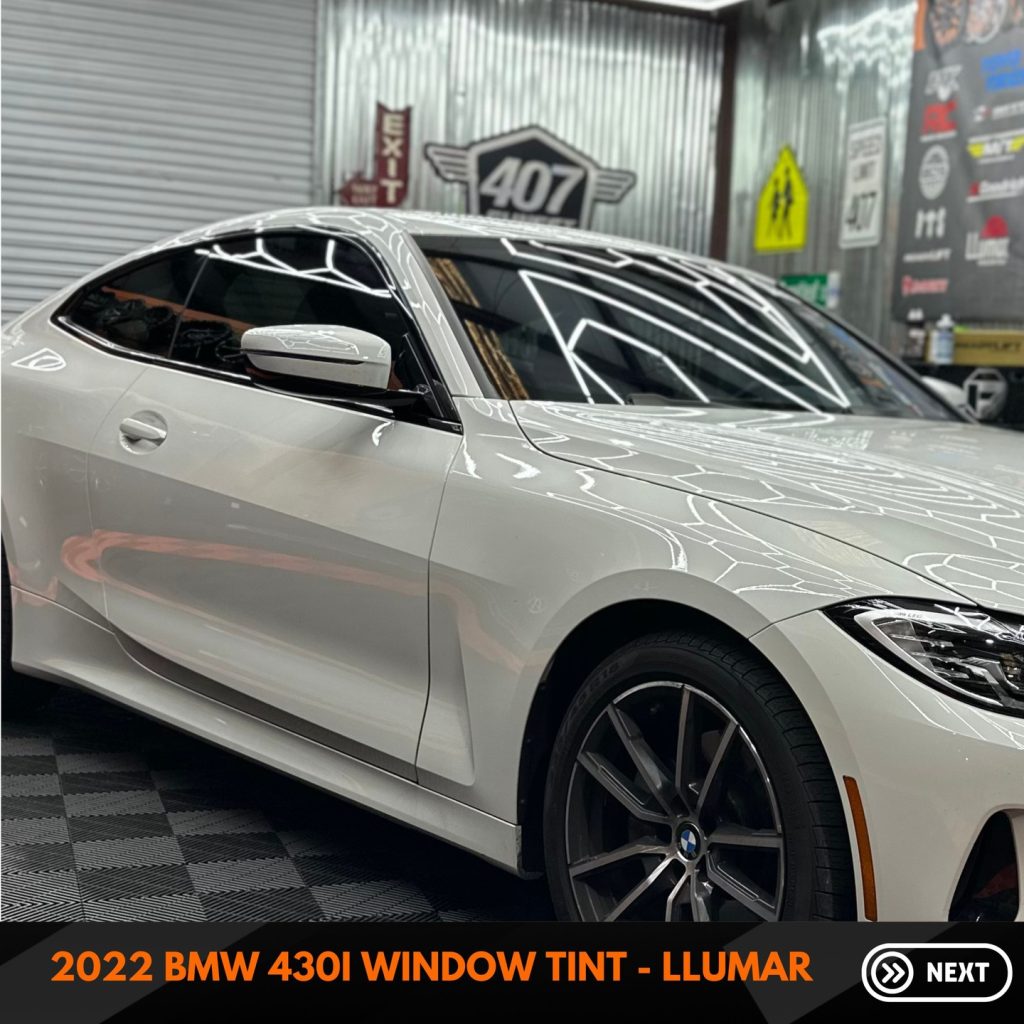
At 407 Sunset Customs in Kissimmee, every installation follows a detailed prep process before a single piece of film is cut. That extra time up front is what separates a tint job that looks great for years from one that starts failing in a few months.
How to Know If You Are Getting Real Value
The lowest price is almost never the best deal when it comes to window tint. Here is what to look for when evaluating shops:
- Ask what type of film they use and what the TSER rating is. A shop that cannot answer this question is using entry-level materials.
- Ask about their prep process. Surface contamination is the number one cause of bubbles and peeling. If the answer is vague, take note.
- Ask what the warranty covers. A confident shop stands behind its work with a clear written warranty. If there is hesitation, that tells you something.
- Ask whether they pull the door seals during installation. Shops that skip this step leave visible light gaps and exposed edges that peel faster.
If a shop gives straight answers to all four of these, you are in good hands.
Ready to Make the Right Call on Window Tint?
Choosing the right window tint is not complicated once you know what to ask. If you are in Kissimmee or anywhere in the Central Florida area and want a straight conversation about what film makes sense for your vehicle and your driving habits, 407 Sunset Customs is here to help. We will walk you through your options, give you honest answers, and make sure the job is done right the first time.
Reach out to schedule a consultation. No pressure, just real information.