
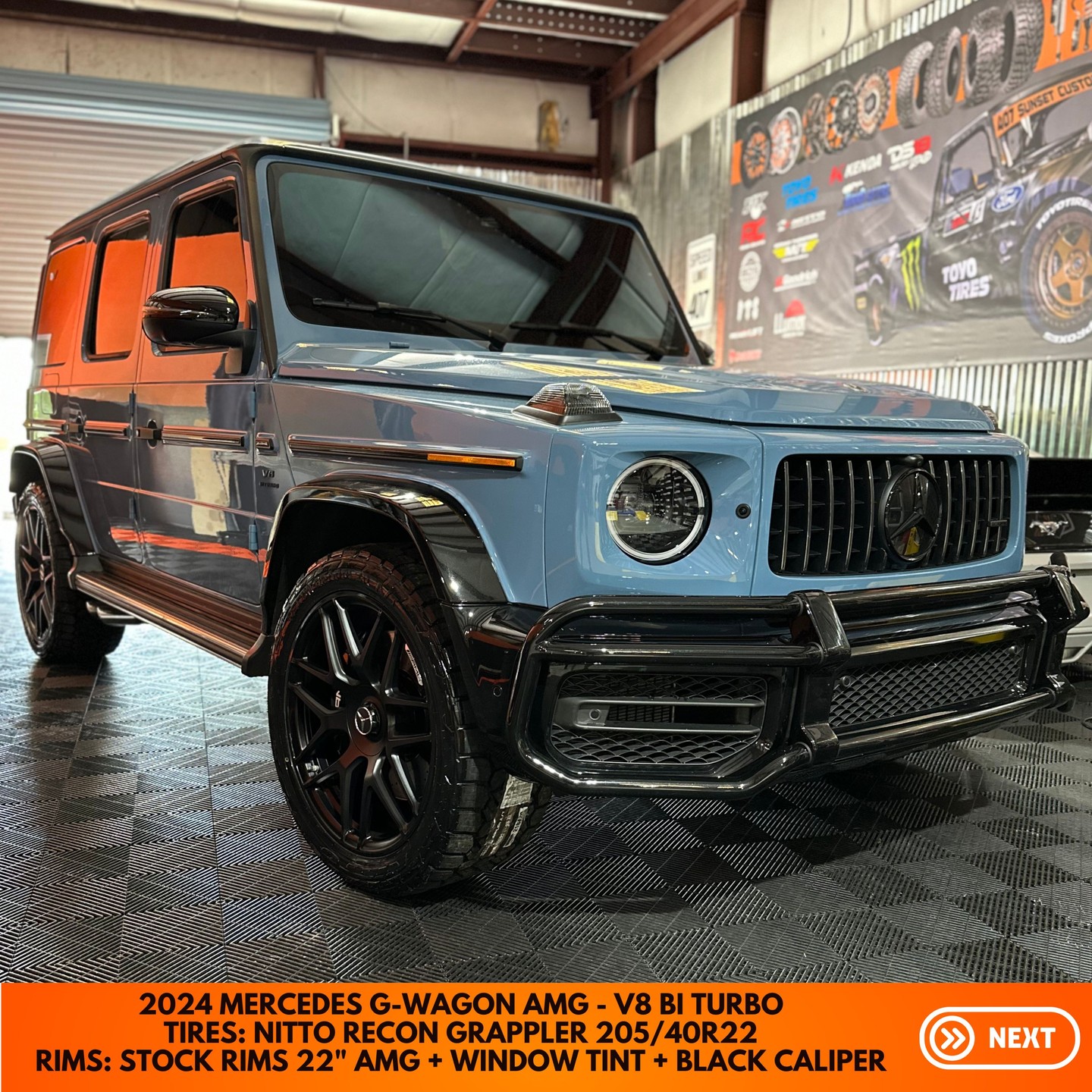
You cannot see the difference between a good PPF install and a bad one on day one. Both look clean when the car leaves the shop. The difference shows up eight months later, when one car still looks untouched and the other has a lifted edge at the mirror cap or a faint line where the film meets the paint.
Choosing an installer is really choosing who gets to make that decision for you before you can judge it yourself. Here are the mistakes that put people in the wrong hands.
Mistake 1: Letting Price Set the Shortlist
The lowest quote usually means something was cut to get there. Sometimes it is the prep work. Sometimes it is the grade of film. Sometimes it is the time spent on a hood or bumper that actually needs two hours, not forty minutes.
None of that shows up at pickup. It shows up in Kissimmee’s sun, after a few months of daily heat cycles in a parking lot on US-192 or at Lake Nona, when a corner starts to lift because it was never fully bonded in the first place.
Mistake 2: Never Asking What Happens Before the Film Goes On
The installation is the part everyone talks about. The prep process is the part that actually determines whether the film lasts. A panel needs to be fully decontaminated, clayed, and corrected before film goes down. Skip that step and you are sealing swirl marks, pollen residue, or road film under a clear layer for the next five years.
Ask directly: what does the car go through before the film is cut and applied? A shop that cannot answer in specifics is a shop still figuring it out on your car.
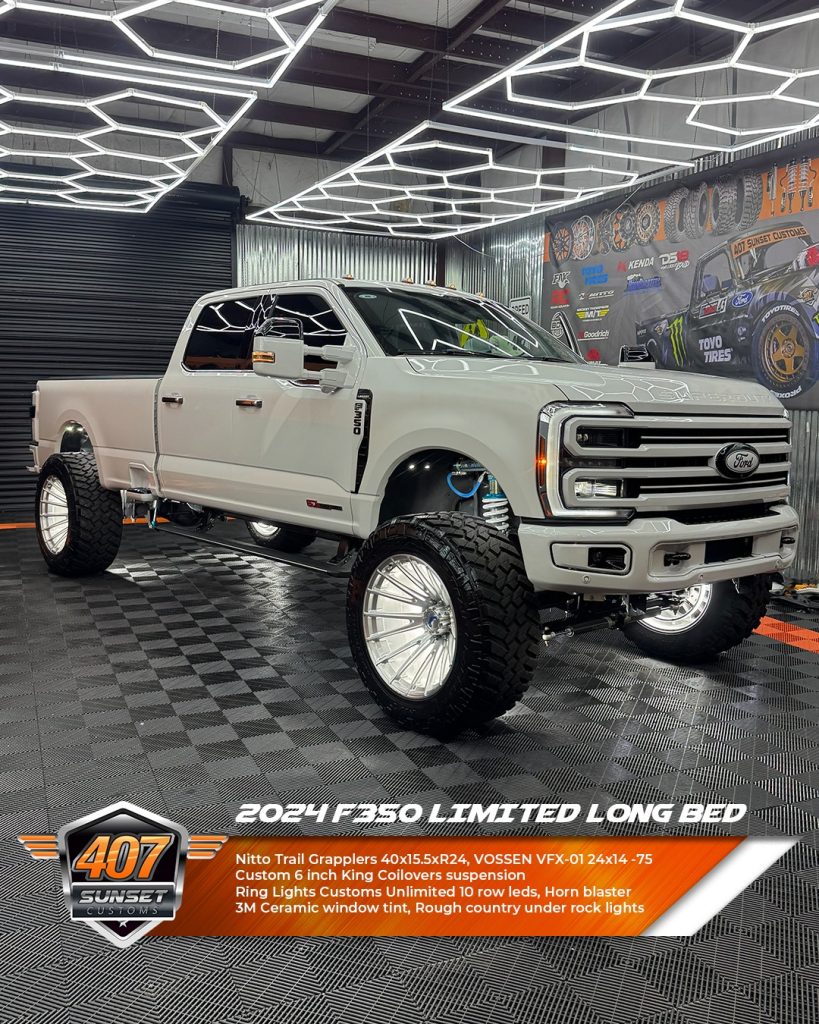
Mistake 3: Judging the Shop by the Website, Not the Bay
Photos of a finished car tell you nothing about how it was made. What matters is the environment the work happens in. A dust-free bay with controlled lighting produces a different result than a shared garage with the door open to Central Florida humidity and airborne debris.
Ask to see the actual space, or footage of it. A shop confident in its process will show you the room, not just the reveal.
Mistake 4: Assuming Every Installer Cuts Film the Same Way
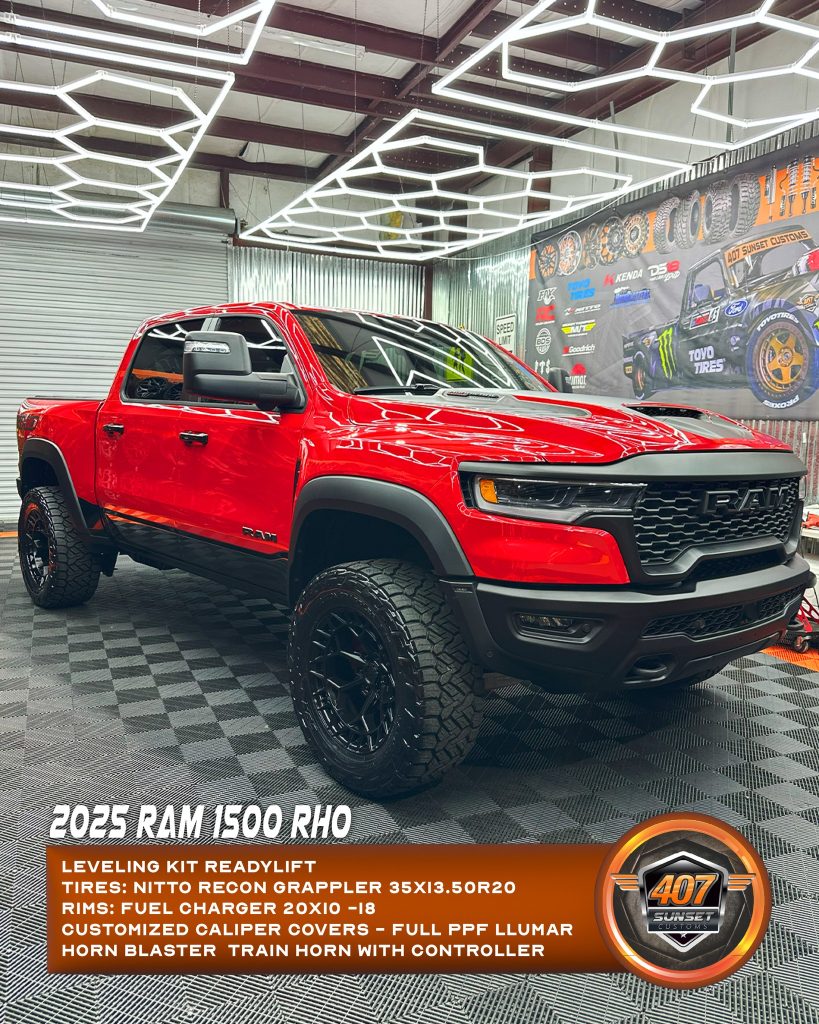
Wrapping a hood or full front is not one skill. It is dozens of small decisions, panel by panel, about where a seam sits, how much a curve needs to stretch, and where an edge gets tucked. An installer who has done a handful of cars makes different calls than one who has done hundreds, especially on complex bodylines like those on lifted trucks and performance coupes common around Kissimmee and Reunion.
Ask how long the installer has been doing this specific work, not just how long the shop has existed. Those are two different numbers.
Mistake 5: Skipping the Conversation About What Could Go Wrong
The shops worth trusting will tell you, before you ask, what can go wrong with PPF and how they prevent it. Edge lifting. Yellowing over time. Trapped moisture. A shop that only talks about the finished product, and never the risks, is not being reassuring. It is leaving out the part of the conversation that actually protects you.
The right question is not “will this look good.” It is “what happens if something goes wrong in year two, and who handles it.”
Why This Matters More in Kissimmee's Climate
Central Florida is not a gentle environment for a clear coat. Intense UV exposure for most of the year, sudden afternoon storms, and love bug season twice a year all put stress on paint and on film. A rushed or poorly prepped install does not just look worse over time here. It fails faster.
A car parked outside a job site off I-4, or sitting in a driveway under the oak canopy near Celebration, is dealing with sap, pollen, and heat cycling almost daily. The margin for error in the prep and the cut is smaller here than it is in a mild climate, which is exactly why the installer matters more than the film itself.
If you are trying to decide who should protect your vehicle, the best next step is a conversation, not a quote. Bring your questions about prep, process, and what happens if something needs attention down the road. We would rather you leave informed than leave in a hurry. Schedule a walkthrough with 407 Sunset Customs.